

The Nintendo Switch has been a gaming powerhouse since 2017, but if you’re eyeing a purchase in 2026, you’re facing a choice that matters: the OLED model or the regular Switch? Both systems play the same games and connect to the same ecosystem, but the differences go way deeper than just the screen. Whether you’re a handheld-first player, a casual gamer, or someone who wants the absolute best portable gaming experience, understanding what actually separates these two models will help you make a decision you won’t regret. This isn’t about marketing hype, it’s about real specs, real trade-offs, and what you’re actually getting for your money.
Table of Contents
ToggleKey Takeaways
- The Nintendo Switch OLED’s 6.55-inch OLED display delivers superior brightness (300 nits vs. 160 nits), true blacks, and better color accuracy, making it ideal for handheld gamers who spend extended sessions in varied lighting.
- Both the Nintendo Switch OLED and regular Switch have identical processing power, frame rates, and game performance—the OLED’s advantage is purely visual quality, not gameplay capability.
- For docked gaming, both models output identically to your TV at 1080p, so the OLED’s screen upgrade provides no benefit if you primarily play connected to a television.
- The OLED model offers 4.5 to 9 hours of battery life versus the regular Switch’s 4.5 to 6.5 hours, delivering roughly one extra hour of handheld play on most games.
- Choose the Nintendo Switch OLED if you’re a handheld-first player, competitive gamer, or content creator; choose the regular Switch if you’re casual, mostly docked, or budget-conscious—the $50–70 price difference determines value based on your actual play style.
- OLED burn-in risk exists but remains uncommon with normal handheld play, while the LCD screen has zero burn-in risk and proven long-term durability dating back to the original 2017 Switch.
Display Quality and Screen Technology
The screen is the headline difference between these two models, and for good reason. When you’re holding a portable console, you’re staring at it for hours, so display quality hits different than on a TV.
OLED Brightness and Color Accuracy
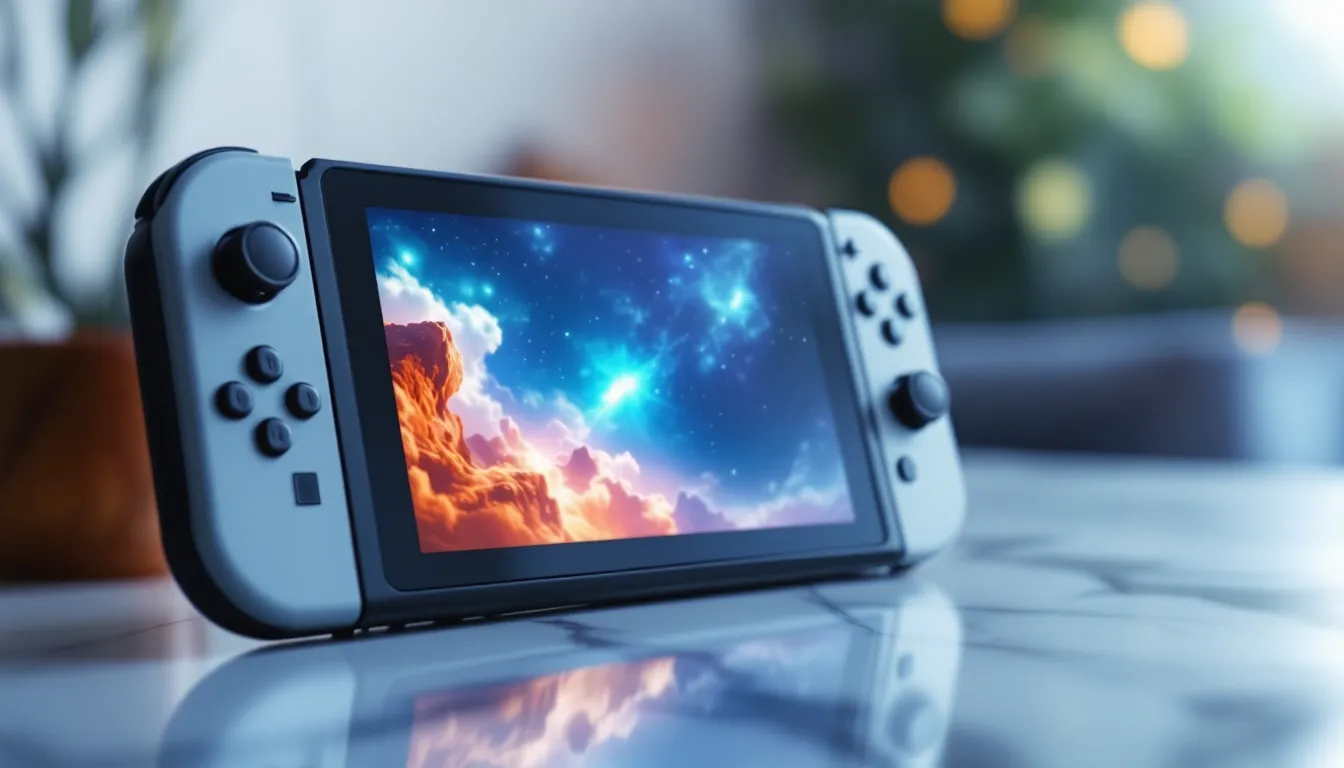
The Switch OLED’s 6.55-inch OLED screen absolutely crushes the regular model on color and contrast. OLED pixels emit their own light, meaning blacks are actually black, not just dark gray, and colors pop without that washed-out feeling. Brightness maxes out around 300 nits, compared to the regular Switch’s 160 nits, so outdoor gaming or bright indoor spaces feel way less washed out.
Color accuracy is another win. The OLED screen reproduces colors more faithfully, which matters if you’re playing something like The Legend of Zelda: Tears of the Kingdom where environmental details and visual storytelling are crucial. Viewing angles are also superior, you can tilt the OLED screen at extreme angles and maintain color fidelity, whereas the regular Switch’s LCD screen starts losing color accuracy pretty fast if you’re not looking straight at it.
That said, OLED displays are known to drift toward warmer tones out of the box. Nintendo’s calibrated theirs reasonably well, but some players find themselves warming up the color temperature in settings after a few months of use.
LCD Screen Limitations
The regular Switch’s 5.5-inch LCD screen gets the job done, but it’s the older tech. LCD displays require a backlight, which means blacks never truly black out, they’re always slightly grayish, and contrast ratios suffer as a result. You’ll notice this immediately when playing games with dark scenes or menus with heavy blacks.
Brightness at 160 nits is noticeably dimmer, especially if you game in daylight or near windows. Outdoor handheld sessions feel like you’re squinting at a reduced contrast image. The LCD screen also has narrower viewing angles: sit your Switch at 45 degrees and colors start shifting. For portable gaming in varied lighting, this is a legitimate limitation.
That said, the regular Switch’s LCD screen is proven and durable. It’s been running since the original Switch launched, and burn-in simply isn’t a concern with LCD technology. The screen’s longevity track record is stellar.
Handheld vs Docked Gaming Experience
Both models dock to a TV, but the experience differs depending on how you actually play.
If you’re primarily a handheld player, and honestly, that’s why most people buy a Switch, the OLED’s superior screen makes a massive difference. Spending 10+ hours a week in handheld mode? The OLED’s brightness, color accuracy, and larger 6.55-inch screen are noticeable quality-of-life upgrades. Games look sharper, colors feel alive, and it’s genuinely more pleasant to play for extended sessions.
For docked gaming, both models output to your TV in identical fashion. Resolution stays at 1080p docked for both. Frame rates, rendering, everything hardware-related is identical. Your TV is doing all the visual heavy lifting. So if you’re 80% docked, 20% handheld, the regular Switch makes perfect sense, save your money. The OLED doesn’t provide any advantage in docked mode.
The sweet spot for OLED value is the hybrid player: someone who docks for multiplayer sessions and story games but takes the Switch on trips, to work, or plays handheld at home regularly. That’s where the screen upgrade justifies the cost.
Design and Build Quality
Beyond the screen, the chassis tells a different story.
Weight, Comfort, and Portability
The OLED model weighs 420 grams, about 50 grams heavier than the regular Switch at 375 grams. That’s roughly the weight of a smartphone’s difference. You’ll feel it after an hour of handheld play, not agony, but noticeable, especially if you have smaller hands or play with Joy-Con detached.
The OLED model is also slightly thicker due to the larger screen and improved internals. Battery capacity increased proportionally, so it’s not just added heft for no reason, but portability is objectively compromised. If you’re traveling light or playing for extended sessions without a table, the regular Switch’s lighter frame matters.
That said, the OLED’s larger 6.55-inch screen partially compensates. The bigger display means less hand strain from squinting, and the surface area gives Joy-Con more breathing room. Comfort is subjective, but most players adjust within a session or two.
The regular Switch’s 5.5-inch screen is tighter in handheld mode. Joy-Con placement feels cramped by comparison, especially for players with larger hands. It’s playable, but not ideal for long sessions in certain genres (fighting games, shooters).
Aesthetic Differences and Color Options
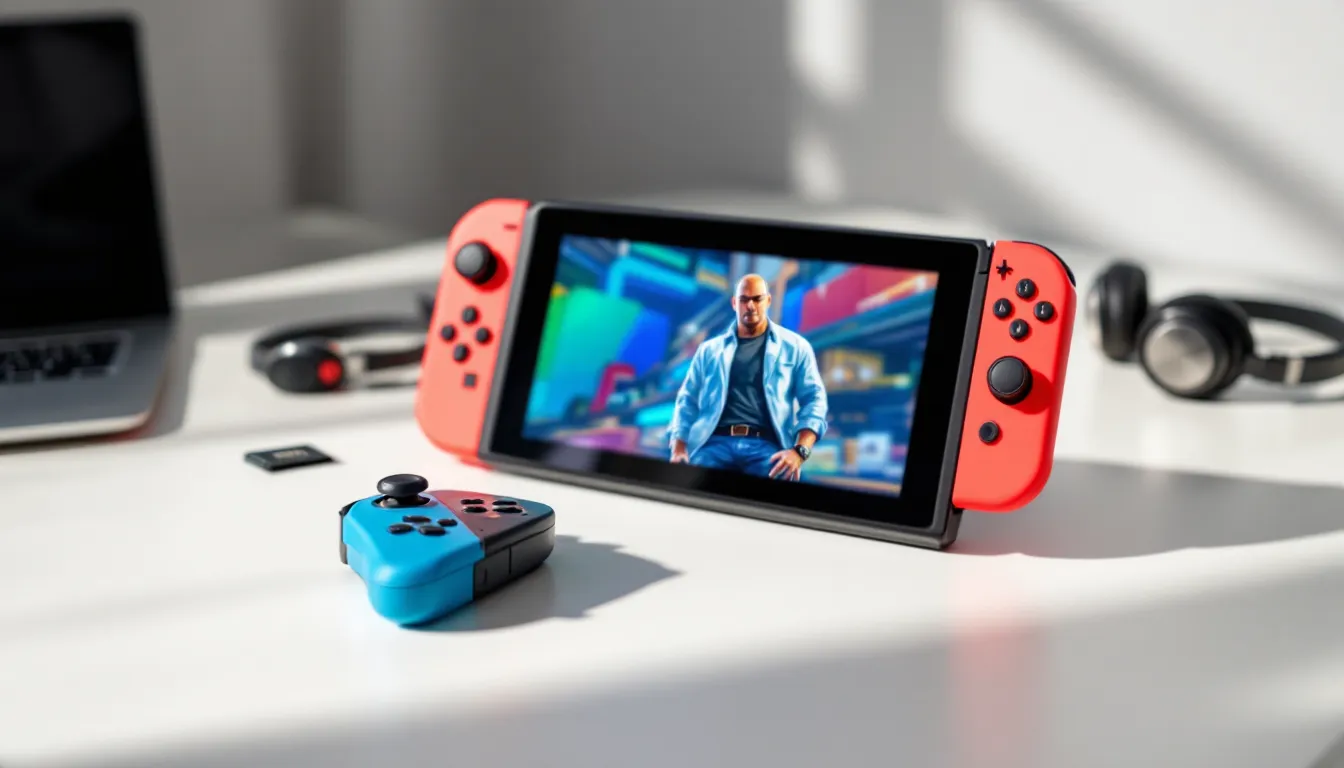
The OLED model launched with a white color scheme that looks premium, minimal bezels, cleaner aesthetic. Nintendo later added black and special edition colors (like the Splatoon 3 edition). The regular Switch comes in red/blue, white, gray, and various special editions, but the color options feel dated compared to OLED’s refined styling.
Build quality is nearly identical. Both use plastic chassis with metal rails for Joy-Con attachment. The OLED frame feels marginally sturdier, but both are Nintendo’s proven design. You’re not getting significantly different durability unless you abuse the hardware, and even then, both are plenty robust.
Audio and Immersion Features
Speaker Quality and Sound Improvements
The OLED model’s dual speakers are noticeably louder and fuller than the regular Switch’s single-speaker setup. When you’re blasting through Mario Kart 8 Deluxe or Super Smash Bros. Ultimate in handheld mode, the OLED’s audio fills space without sounding thin or compressed.
The regular Switch’s speaker is… adequate. It’s mono, it gets the job done, and it’s fine for casual gaming. But anyone who’s played both back-to-back notices the OLED immediately. Music sounds richer, explosions have more weight, and dialogue clarity improves.
That said, most serious gamers wear headphones anyway. If you’re always plugged in, the speaker upgrade is a nice bonus but not a deciding factor. For handheld players who don’t use audio equipment, it matters more.
Battery Life and Power Efficiency
Battery stats matter when you’re on the move, so here’s the breakdown:
The OLED model packs a 4310 mAh battery compared to the original Switch’s 4310 mAh, wait, same capacity? The difference is optimization. The OLED achieves 4.5 to 9 hours of gameplay versus the regular Switch’s 4.5 to 6.5 hours, depending on the game. Lighter titles like Pokémon Legends: Arceus can push 8-9 hours on OLED: demanding games like Elden Ring pull 4.5 hours on both.
For most real-world use, you’re looking at 6-7 hours on OLED, 5-6 hours on regular Switch. That extra hour is meaningful for long flights or road trips, but it’s not a game-changer.
OLED Battery Concerns
OLED displays consume more power when displaying bright, vibrant colors, it’s inherent to the technology. This is why the battery improvement required better power management rather than a bigger battery. Nintendo engineered a more efficient processor revision, but it’s not revolutionary.
Longevity is worth mentioning. OLED batteries degrade like all lithium batteries, and some players report noticeable capacity loss after 18-24 months of heavy use. The regular Switch’s battery degrades similarly, but OLED’s higher initial power draw means degradation feels slightly faster in real-world terms. Battery replacement costs around $50-70 for both models.
Charging Speed and Dock Features
Both models charge at essentially the same speed using the USB-C cable. The OLED dock is identical to the regular Switch’s dock, no fast charging feature, no meaningful speed difference. Expect 3-4 hours for a full charge from dead.
Neither model supports fast charging from a third-party USB-C power supply in a meaningful way. This is a missed opportunity on Nintendo’s part, but it’s the same limitation for both.
Price Comparison and Value Proposition
Here’s where money talks. The OLED model retails at $349.99, while the regular Switch hovers around $279.99 to $299.99 depending on sales and region. That’s a $50-70 difference, or about 18-25% more for OLED.
For that price jump, you’re getting:
- Significantly better handheld screen (larger, brighter, better colors)
- Improved audio
- Slightly better battery
- Marginal design refinements
You’re not getting better performance, faster processor, improved docking, or any gameplay advantages.
Value calculation depends entirely on your play style. If you’re docked 80% of the time, regular Switch is the obvious choice, save the cash. If you’re handheld 50%+ of the time, especially if you play in varied lighting, OLED’s screen justification is easier to make.
Right now in 2026, the OLED is the “current” model, so inventory and availability might push the regular Switch’s effective price lower. Used or refurbished regular Switch units often hit $199-249, which dramatically changes the value equation.
Budget constraints? Regular Switch wins. Quality-first and willing to spend? OLED justifies itself through hours of handheld gaming.
Performance and Gaming Capabilities
Processing Power and Frame Rates
Let’s cut straight to it: both models have identical performance. Same NVIDIA Tegra processor, same RAM, same GPU. Frame rates, loading times, resolution, everything is the same. Your Switch OLED won’t run Breath of the Wild faster than a regular Switch. Games don’t look sharper. Anti-aliasing doesn’t improve. It’s the same hardware under the hood.
This is crucial context. Nintendo didn’t update the processor with the OLED revision. The processing power stays locked at the 2017 Switch specs. If you’re hoping for better handheld performance in 2026, both models will feel equally dated compared to modern mobile gaming or Steam Deck.
Frame rate targets remain 30fps for many demanding titles, 60fps for lighter games. That doesn’t change between models. When digital comparisons talk about OLED having “better” performance, they’re referring to visual clarity (sharper screen rendering what’s already there), not actual FPS or processing power.
Game Compatibility and Library Access
Both models access the entire Switch library, every game from the eShop, every physical cartridge, everything. There’s zero fragmentation. Your game collection is 100% compatible across both systems. This is one area where Nintendo nailed consistency.
The OLED model’s larger screen actually makes some games feel better to play, even without processing improvements. Reading text in turn-based RPGs is easier on 6.55 inches. HUD elements are less cramped. But these are subjective comfort improvements, not compatibility differences.
If you’re chasing the latest AAA ports or demanding indie titles, performance expectations should be tempered on both models. Games run at the same specs regardless. The Switch 2’s design is already generating buzz in leaks around better hardware, so if raw performance matters to you, waiting might be worth considering. For now, performance is identical and locked to 2017 specs.
Long-Term Durability and Screen Longevity
OLED Burn-In Risk
This is the elephant in the room for OLED skeptics. OLED panels can experience burn-in if a static image appears on screen for extended periods, like the Switch dock icon, a game’s HUD, or the home menu. It’s real, not imaginary.
That said, burn-in risk on a Switch is lower than on traditional OLED TVs because:
- The Switch’s home menu dims after a few minutes of inactivity
- The Switch doesn’t run the same static image for 12+ hours daily like a TV might
- Nintendo’s OLED panel has better burn-in resistance than older OLED tech
In practical terms? Thousands of Switch OLED units have been in use since 2021, and burn-in reports are uncommon but not nonexistent. Most affected players had extreme use patterns, docked 24/7, same game running for weeks, etc. Normal handheld play doesn’t significantly increase burn-in risk.
The regular Switch’s LCD screen has zero burn-in risk. Burn-in doesn’t apply to LCD technology. If you’re paranoid about long-term screen degradation, the regular Switch’s LCD panel is technically more resilient.
For longevity, OLED’s brightness degradation over time is worth noting. After 2-3 years of heavy handheld use, OLED brightness might drop 10-15% from new. It’s gradual and barely noticeable, but it happens. The regular Switch’s LCD brightness stays stable much longer.
If you want the absolute safest long-term screen durability, regular Switch wins. If you’re comfortable with minor OLED trade-offs for years of better gameplay experience, OLED is still a solid choice. The key is realistic expectations: don’t expect OLED to look perfect in 5+ years of daily handheld use, but it will still look good.
Which Model Is Right for Your Gaming Style
Best For Casual and Mobile Gamers
Casual players, folks who play 5-10 hours weekly, mostly lighter games, docked for party titles, should grab the regular Switch. Cost savings justify the screen downgrade when you’re not spending hours analyzing pixel clarity. Games like Mario Kart 8, Mario Party, Switch Sports, and Animal Crossing look great on LCD. The smaller screen is actually beneficial for multiplayer gaming where Joy-Con ergonomics matter more.
If your Switch primarily docks to a TV and handheld is supplementary, regular Switch is the obvious play. Save $50-70 and put it toward games.
Mobile gamers taking the Switch on trips but not sitting down for extended sessions? Regular Switch still works, you’re not spending hours staring at the screen in a single session, so LCD limitations matter less. Battery life is adequate for shorter trips.
Best For Competitive and Handheld-First Players
Competitive players in fighting games, shooters, or fast-paced titles benefit from OLED’s larger screen and better color accuracy. In Super Smash Bros. Ultimate or Splatoon 3, seeing opponents and effects more clearly matters in high-level play. The bigger screen reduces hand strain during long tournament-prep sessions.
Handheld-first players, anyone spending 20+ hours weekly in portable mode, should strongly consider OLED. The screen quality improvement, brighter display, and larger surface area are genuinely worth the premium when that’s your primary way to play. Color accuracy in story-driven games, brightness for outdoor play, and overall visual experience justify the cost.
Content creators and streamers who play handheld should also lean OLED. The improved screen captures better color and contrast on camera, and the larger display is more comfortable during long recording sessions. If you’re creating Switch content, OLED makes your footage look better.
Players who game in bright environments, coffee shops, offices, outdoors, benefit from OLED’s 300 nit brightness. The regular Switch’s 160 nits is frustrating in daylight. That’s a legitimate quality-of-life difference worth paying for if you game outside regularly.
You can also how to hook up your Switch to a TV to understand docking gameplay better, and if network performance matters, Nintendo Switch Ethernet Adapter setup can improve online competitive play on either model. For those curious about future hardware, the Nintendo Switch 2 design leak suggests bigger changes are coming, which might influence whether you want a “final” Switch purchase now or wait.
Conclusion
The Nintendo Switch OLED vs regular debate boils down to one question: what’s your primary play style, and what can you afford? There’s no “wrong” choice, both play identical games, both are proven hardware, both will give you hundreds of hours of gaming.
The OLED model is the premium option. Better handheld screen, brighter display, larger size, improved audio, these are all real, measurable upgrades that matter if you’re playing handheld regularly. You’re paying $50-70 more for genuine quality-of-life improvements in your primary way to play. For handheld-focused players, competitive gamers, or content creators, that premium is justified.
The regular Switch is the practical option. Identical performance, proven durability, lighter weight, lower cost. If you’re mostly docked or play casually, the LCD screen limitation is barely noticeable. You save money and get the same game library and game performance.
According to display technology reviews from RTINGS, OLED screens continue to offer superior color and contrast, validating what Switch players have experienced. The gaming community consensus generally aligns with professional reviews when it comes to screen quality differences.
In 2026, the Switch ecosystem is mature. The OLED is the current model with better availability, while used regular Switch units offer serious value if budget is tight. Neither choice is bad, it’s about matching the model to your actual gameplay habits and budget. Make the decision based on how you actually play, not on hype or FOMO. That’s how you buy the right Switch.